

The Costa del Sol at risk: Drought threatens tourism and the economy. The province of Málaga received in 2023, more than 14 million tourists thanks to the boost from international visitors, being the best year in its history.
EDITING |
Tourism, job creation, income, and profitability in accommodations or tourist homes may be diminished by the drought that may threaten southern Spain.
In this article, we will address the concerning drought situation affecting the Costa del Sol, an emblematic tourist region in Spain. Warnings about the persistent drought will be presented, as well as the impact it has on pools and water supply. Additionally, the urgent need to find solutions to guarantee water supply, including the demand for desalination plants, will be highlighted. Furthermore, the importance of planning to protect the tourism industry and the danger facing the Malaga GDP will be discussed. Finally, a call to action will be made to avoid worrying consequences.
Warnings about the persistent drought
Warnings about the persistent drought on the Costa del Sol have generated concern both locally and nationally. Experts have warned about the seriousness of the situation, highlighting that precipitation is below normal and that water reserves are rapidly decreasing. This lack of rain has led to a significant reduction in river flows and depletion of underground aquifers. Additionally, climate change is expected to further exacerbate this situation in the coming years.
In light of this scenario, urgent measures are needed to address the drought. The population has been urged to use water responsibly and adopt conservation practices. Furthermore, there has been an emphasis on the need to implement more efficient water management strategies, such as water reuse and the improvement of hydraulic infrastructure.
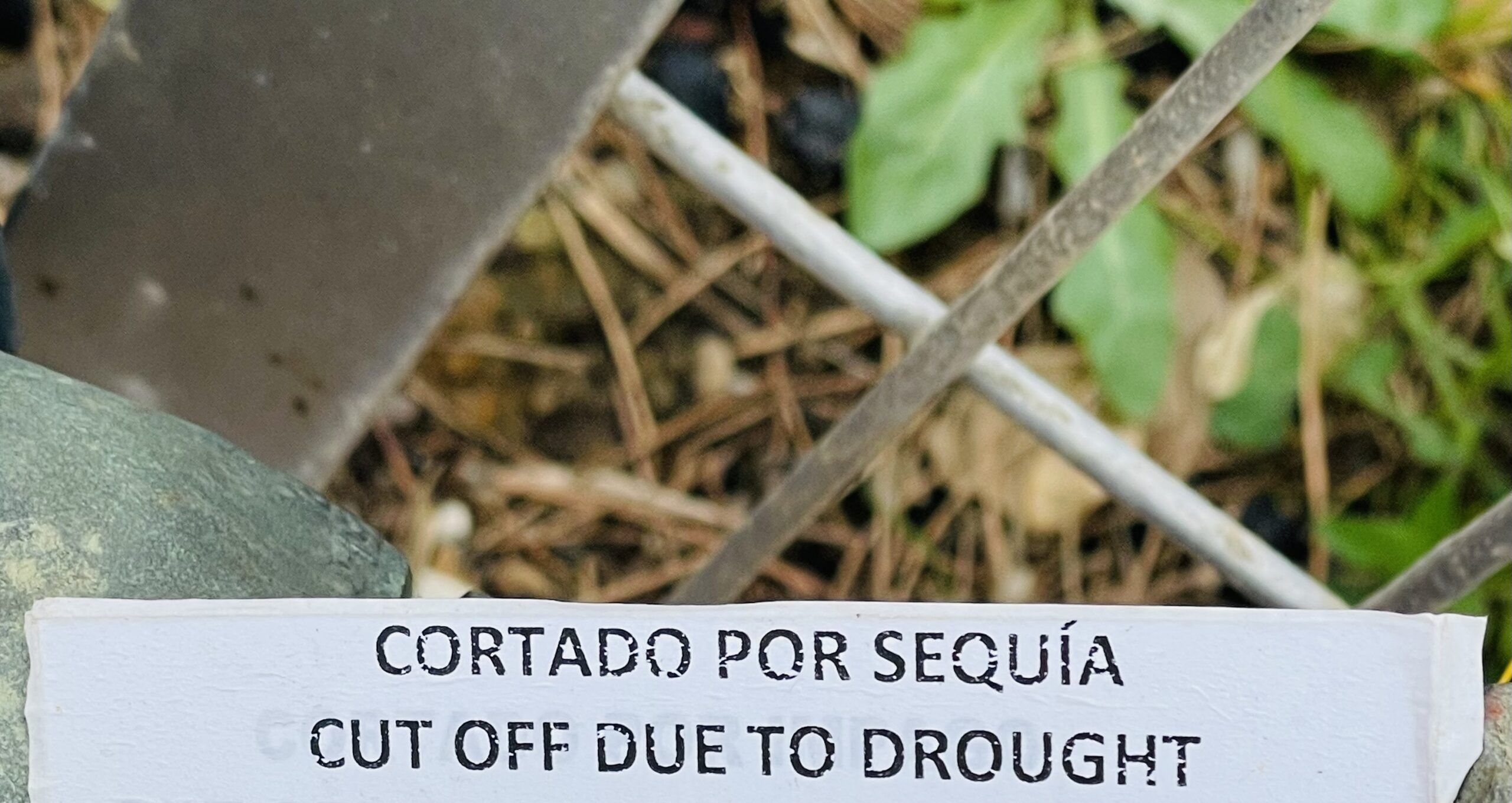
Drought not only affects drinking water supply but also tourism and the economy in general. Water scarcity can lead to pool closures and rationing of supply in hotels, which could deter tourists from visiting the area. Additionally, many economic activities depend on water, such as agriculture and the food industry, which could suffer serious consequences if measures are not taken to ensure adequate supply.
In summary, the warnings about the persistent drought in the Costa del Sol are alarming and require immediate attention. It is essential to implement effective solutions to face this water crisis and protect both tourism and the economy of the region.
The impact on pools and water supply
The persistent drought on the Costa del Sol is having a significant impact on pools and water supply. High temperatures and lack of precipitation have caused a drastic decrease in water levels, leading to restrictions on domestic and commercial use. Public and private pools have been particularly affected, as they require large amounts of water for their proper functioning. Many of them have had to reduce their opening hours or even temporarily close due to water scarcity. Additionally, hotels and restaurants have also been forced to take measures to conserve water supply, limiting garden irrigation and reducing use in common areas. This situation not only affects tourists and residents but also poses a challenge for the local economy, as tourism is one of the main economic drivers of the region. The lack of water may deter potential visitors and harm the reputation of the Costa del Sol as an attractive tourist destination. In light of this concerning scenario, it is urgent to find sustainable solutions to ensure water supply and protect both pools and the tourism industry in general.
The need for urgent solutions
In light of the persistent drought threatening the Costa del Sol, the need to find urgent solutions to guarantee water supply in the region is evident. The lack of precipitation has led to a concerning decline in water levels in reservoirs and aquifers, which endangers both the supply to the population and tourism and economic activities. It is essential for authorities to take concrete measures to address this situation and avoid even more serious consequences.
One possible solution is the implementation of desalination plants, as they would allow obtaining drinking water from seawater. This technology has proven effective in other coastal areas with similar problems, and its implementation on the Costa del Sol could ensure a constant and safe supply. However, it is important that these desalination plants are built sustainably and with respect for the environment.
Additionally, it is necessary to carry out proper planning that takes into account the protection of the tourism industry. Tourism is one of the main economic drivers of the Costa del Sol, so any measure that negatively affects this industry would have worrying consequences for the Malaga GDP. It is essential to seek solutions that are efficient in terms of water consumption and do not deteriorate the quality of the natural environment.
In conclusion, the drought situation in the Costa del Sol requires an urgent response from the authorities. The implementation of desalination plants and proper planning are key measures to ensure water supply and protect both the economy and tourism in the region. It is necessary to act now to avoid more serious consequences in the future.
The demand for desalination plants to ensure supply
The demand for desalination plants to ensure supply is becoming increasingly evident on the Costa del Sol. The persistent drought has led to water resources being in a critical situation, endangering not only tourism but also the economy of the region. Desalination plants present a viable solution to address this issue. These plants are capable of converting seawater into drinking water, which would ensure a constant and safe supply for the population and local industries. Additionally, desalination plants could also help keep pools filled and ensure irrigation of golf courses, two fundamental aspects for tourism in the area. However, it is necessary to highlight that the implementation of these infrastructures requires significant investment and careful analysis of their environmental impact. It is essential to evaluate both the benefits and the possible negative consequences that could arise from their installation. In light of the growing demand for water and the scarcity of natural resources, it is urgent to take measures to ensure adequate and sustainable supply on the Costa del Sol. The installation of desalination plants could be an effective solution to face current challenges and protect both tourism and the local economy.
The importance of planning to protect the tourism industry
Proper planning is essential to protect the tourism industry in the Costa del Sol. In light of the persistent drought threatening the region, it is necessary to implement measures that guarantee water supply and avoid possible shortages that could severely affect tourism and the local economy. Planning must consider diversifying supply sources, such as the use of desalination plants, as well as promoting sustainable water consumption practices by hotels, restaurants, and other tourism-related businesses. Additionally, it is crucial to establish policies that encourage water conservation and the preservation of natural resources in the area. Planning should also include strategies to mitigate the negative effects of drought on pools, an important tourist attraction in the region. In summary, timely and adequate planning is essential to protect the tourism industry in the Costa del Sol against the challenges of drought, thus ensuring its long-term sustainability.
The Málaga GDP at risk
The Málaga GDP is at risk due to the persistent drought threatening the Costa del Sol. This region relies heavily on the tourism industry, which makes a significant contribution to the local gross domestic product (GDP). However, the lack of water and supply issues could severely affect this economic activity.
Water scarcity has led to restrictions on the use of pools and irrigation, which directly affects hotels and tourist complexes in the area. The decrease in the availability of water to maintain facilities and provide quality services can deter tourists and damage the reputation of the Costa del Sol as a top-tier tourist destination.
It is urgent to find effective solutions to ensure water supply in the region. One of the proposals is to increase the capacity of desalination plants, as these facilities can provide drinking water using the available marine resource. This would help reduce pressure on existing water resources and ensure a constant supply for tourism and economic needs.
Planning is also essential to protect the tourism industry and the overall GDP of Málaga. It is necessary to implement measures that promote more efficient water use, encourage reuse, and promote sustainable practices across all economic sectors.
In conclusion, the GDP of Málaga is at risk due to the persistent drought in the Costa del Sol. The lack of water directly threatens the tourism industry, raising concerns about the economic future of the region. It is crucial to take urgent measures to ensure water supply and promote sustainable practices that protect this important source of income.
The call to action to avoid worrying consequences
In light of the threat posed by the persistent drought in the Costa del Sol, it is essential to make a call to action to avoid worrying consequences. Both authorities and citizens need to be aware of the seriousness of the situation and commit to implementing effective measures to ensure water supply and protect the local economy. The first urgent measure is to invest in desalination infrastructure, as these plants can provide a safe and sustainable water supply even during prolonged drought periods. Additionally, it is crucial to carry out proper planning that takes into account the protection of the tourism industry, the main economic driver of the region. This involves implementing policies for efficient water use, promoting reuse and recycling of water resources, as well as raising awareness among tourists about the importance of conserving water. If immediate actions are not taken, the Malaga GDP risks suffering serious consequences due to the decrease in tourism and difficulties in water supply for commercial activities. Therefore, it is imperative that resources are allocated and long-term strategies are established to ensure an adequate water supply and protect both the tourism sector and the economy in general.
The Costa del Sol faces a serious risk due to the persistent drought that threatens both tourism and the local economy. The water supply is affected, which directly impacts pools and the daily lives of residents and visitors. It is urgent to find effective solutions, such as the construction of desalination plants, to ensure an adequate and sustainable supply. Furthermore, proper planning is essential to protect the tourism industry, which is vital for the region. The Malaga GDP is in danger if immediate measures are not taken. In light of this concerning situation, it is necessary to call for action and seek viable alternatives to avoid even more serious consequences.
However, this crisis also invites us to reflect on our relationship with the environment and how our actions can affect fragile ecosystems like that of the Costa del Sol. Drought is not a new phenomenon, but its persistence reminds us of the importance of adopting sustainable and responsible practices. Perhaps it is time to rethink our water consumption habits and seek innovative solutions that minimize our impact on natural resources.
Ultimately, the drought on the Costa del Sol not only represents an economic challenge but also a wake-up call to take urgent and responsible action. Only through efficient water management and proper planning can we protect this beautiful region and ensure its long-term prosperity.